Is PCR or PIR plastic better for injection molding?
Between innate sustainability values and increasing legal environmental mandates, more and more businesses are interested in using recycled plastics in their injection molded products.
But the question is, what plastics should they use?
That’s where Plascon comes in as a strategic partner and sustainability specialist. Each plastic type has its own benefits and drawbacks. Which type of recycled plastic is right for your project comes down to assessing your product needs. We look at strength, durability, colour, and of course cost when helping clients decide which plastic resin is best for their project.
There are two primary types of recycled plastic: Post-Consumer Recycled (PCR) plastics and Post-Industrial Recycled (PIR) plastics. While the names make them seem similar, there are key differences between the two. Those differences can have a big impact on which option is best for your project. Let’s discuss.
What are PCR and PIR plastics?
If you answered “recycled plastics,” you are correct. But there’s more to it than that.
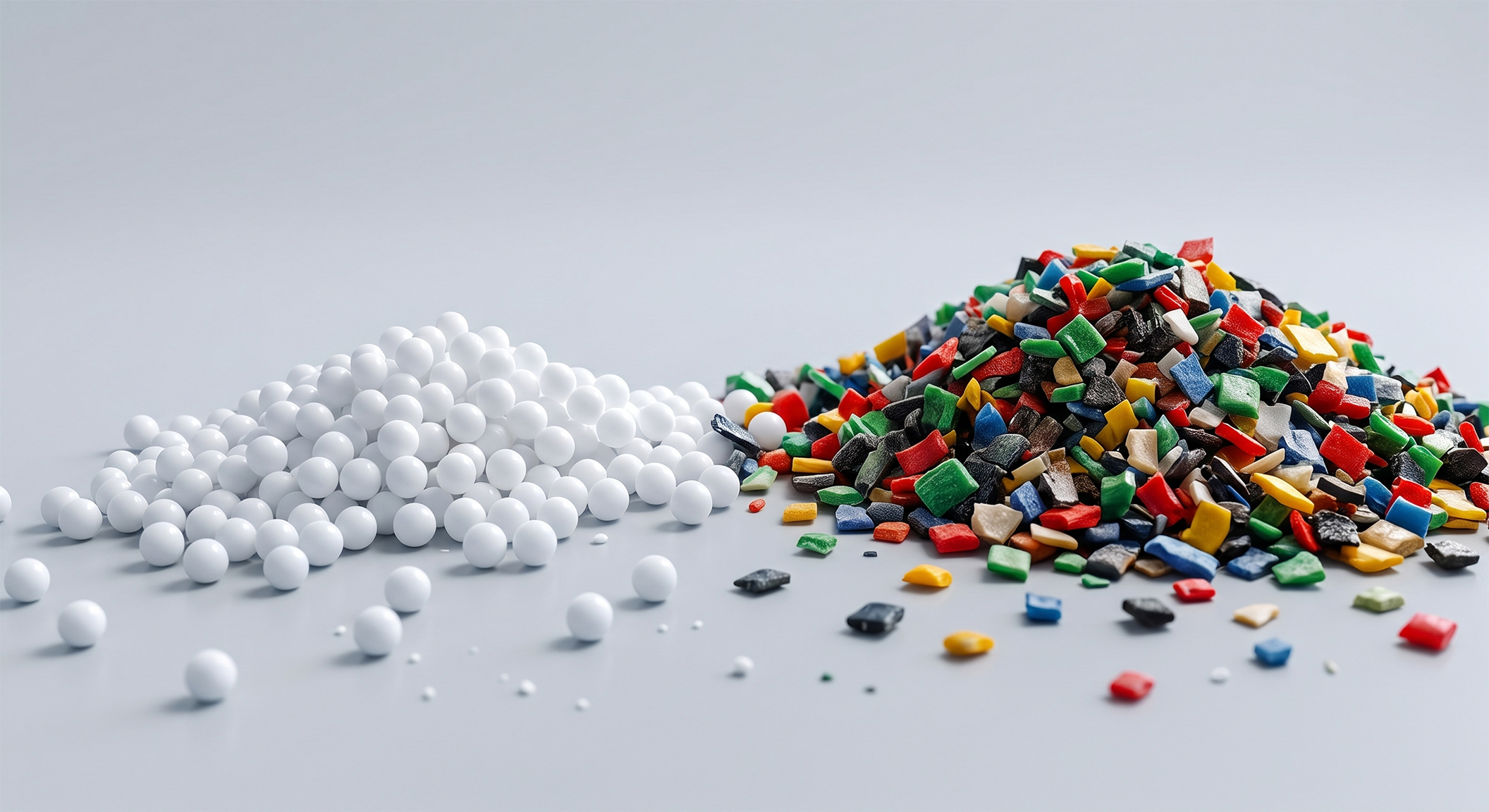
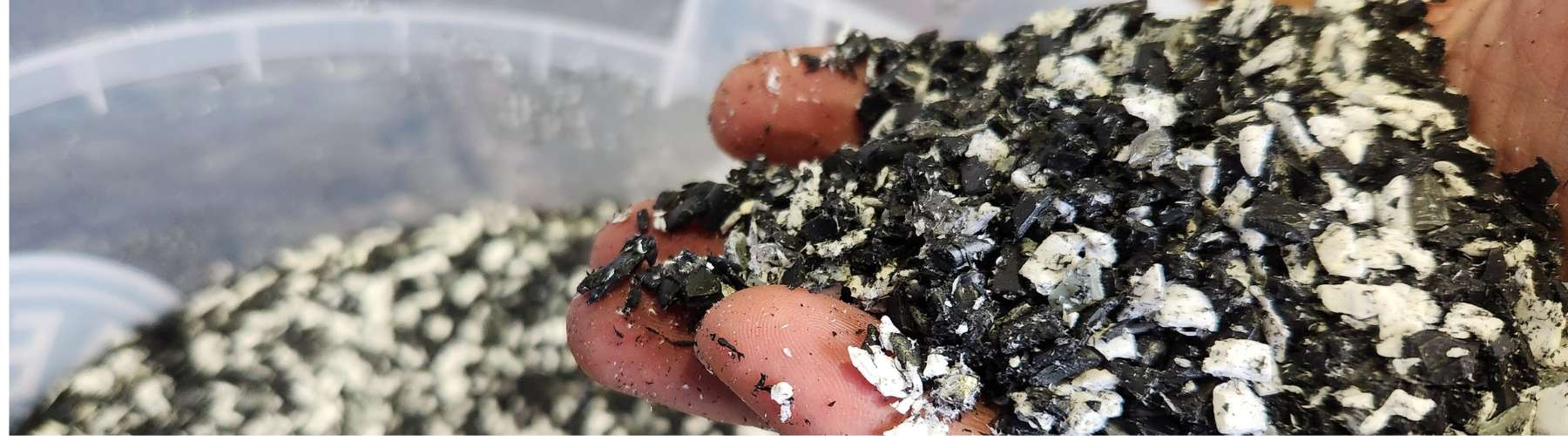
PCR plastics, as the name implies, come from plastics used by consumers that have then been collected, sorted, cleaned, and processed. Much of the PCR plastic used comes from “blue box” recycling programs, and therefore directly contributes to reducing the amount of waste generated. The mixed nature of the plastics can affect colour, and the sanitization process can affect the strength of the final product.
PIR plastics are the waste material from industrial products. These generally include the scraps, trimmings, and similar waste from manufacturing processes. Because these plastics are never used by consumers, they are often cleaner and require less processing, leading to a clearer and sometimes stronger product.
So, as you can see, while they are both recycled plastics, PCR and PIR not only have different sources but also result in differences in the final product.
What is the difference between PCR and PIR plastics for injection molding?
Every project’s needs will be unique, so consider this as general information and not a concrete answer for your individual injection molding project. That said, for projects requiring high levels of consistency and purity, PIR plastics may be preferable due to their homogeneous nature. Conversely, for brands where sustainability is important, or specific regulatory requirements must be met, PCR plastic may be the way to go.
Can PIR plastics be used in injection molding?
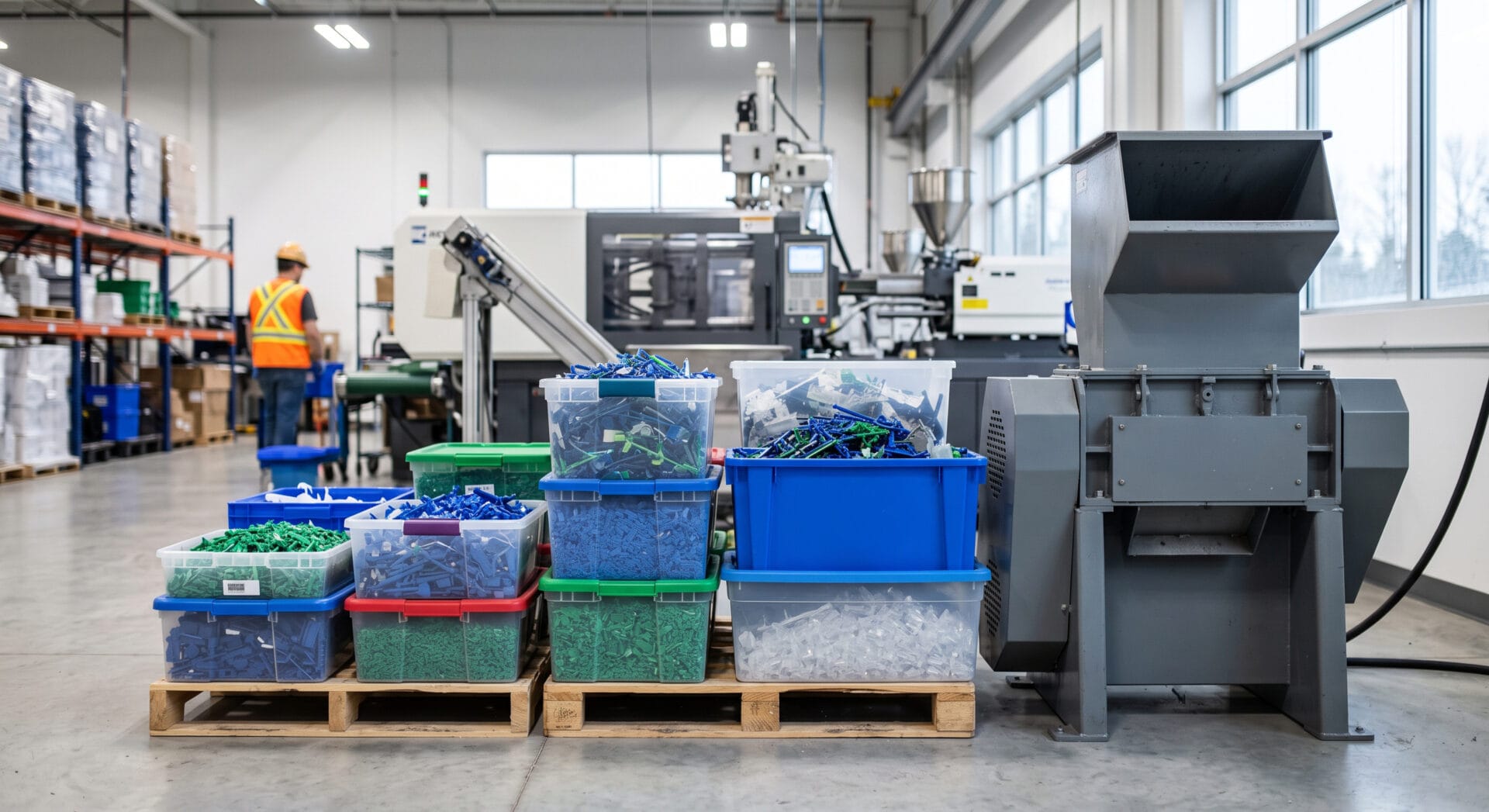
Yes, PIR plastics can absolutely be used for injection molding. Using PIR plastics can help reduce manufacturing waste and, because the material requires less processing for repurposing, can enable the creation of high-quality injection parts/products. However, accessing PIR plastics can be challenging.
How can PCR plastics contribute to circularity and sustainability?
As recycling and plastics technology continue to advance, there will be less and less need for virgin plastic to be created because we will be increasingly able to repurpose the plastics already in the system.
Using PCR plastics directly diverts consumer plastic waste from landfills and oceans (and other waterways), instead repurposing these plastics for further use. The ultimate goal would be to create a circular economy wherein existing plastics can be continuously repurposed with minimal need for new plastics to be created. Many things need to happen for us to get there—not limited to, but certainly including technology advancements—but for now, we are headed in the right direction by encouraging more recycled plastics to be used in injection molding and other manufacturing.
Case Study in a closed-loop system: LUSH Cosmetics
Plascon had the opportunity to create a truly circular ecosystem for LUSH Cosmetics. Sustainability is a big part of LUSH’s brand ethos, and it was important for them to exemplify what is possible for companies to achieve as a sustainable brand. By partnering with Ocean Legacy, we were able to create LUSH’s iconic black pots from ocean waste plastics and the PCR plastic created by their own customers.
If you aren’t familiar with LUSH, they offer a program where customers can return the black pots to their local store. LUSH then sends these pots to be cleaned, processed, and remolded into new pots to be filled with new product and put back on the shelf. This truly circular ecosystem is a rarity and showcases LUSH as true leaders in sustainability.
So, is PCR or PIR better for injection molding?
The key takeaway is that there is no universally “better” recycled plastic for injection molding. PCR and PIR each offer distinct advantages, and the right choice depends on the requirements of the application, from performance and consistency to sustainability goals and cost. With the right material expertise, recycled plastics can do more than reduce waste. They can become part of a smarter, more circular approach to product development and manufacturing. Plascon works with clients to evaluate material options and identify the right solution for their specific application, helping turn sustainability goals into practical, high-performing products.
Frequently asked questions
Is PCR or PIR plastic better for injection molding?
PCR and PIR plastics each have advantages for injection molding, so the better option depends on the application. PIR plastics are often preferred when consistency and material purity are priorities, while PCR plastics can be a strong choice for products where sustainability, recycled content, or regulatory requirements are important. Material selection should consider factors such as strength, durability, colour, performance, and cost.
What is the difference between PCR and PIR plastics?
The primary difference is where the recycled plastic comes from. Post-Consumer Recycled (PCR) plastic comes from plastic products that have been used by consumers, collected, sorted, cleaned, and processed for reuse. Post-Industrial Recycled (PIR) plastic comes from manufacturing waste such as scraps and trimmings that are recovered and reprocessed before reaching the consumer.
Can PCR plastic be used for injection molding?
Yes. PCR plastic can be used in injection molding to manufacture durable, functional products while incorporating recycled consumer plastic into the material stream. The suitability of PCR depends on the specific material, application, and performance requirements. Factors such as strength, durability, colour, consistency, and cost should be evaluated when selecting PCR for an injection-molded product.
What are the sustainability benefits of using PCR plastic?
Using PCR plastic helps keep consumer plastic waste in circulation rather than sending it to landfills or allowing it to enter waterways. When recycled plastics are used to manufacture new products, existing materials can be repurposed instead of relying entirely on virgin plastic. PCR can therefore play an important role in moving manufacturing toward a more circular economy.
How can recycled plastics support a circular economy?
Recycled plastics can support a circular economy by keeping existing materials in use for longer and reducing the need for new virgin plastic. Closed-loop systems take this concept further by collecting used products, processing the material, and using it to create new products. The LUSH Cosmetics black pot program is an example of this approach, where consumer-returned pots can be processed and remolded into new pots.
You May Also Like
 PCR vs. Virgin Plastic in Injection Molding: What’s the Real Cost and Performance TradeoffRead More: PCR vs. Virgin Plastic in Injection Molding: What’s the Real Cost and Performance Tradeoff
- EcoRevolution: Plascon Plastics is primed to assist companies in transitioning towards a greener future in California’s injection molding landscape.Read More: EcoRevolution: Plascon Plastics is primed to assist companies in transitioning towards a greener future in California’s injection molding landscape.
- Introducing Sustainable Materials Into Your Injection Molded ProductsRead More: Introducing Sustainable Materials Into Your Injection Molded Products