PCR vs. Virgin Plastic in Injection Molding: What’s the Real Cost and Performance Tradeoff
“What material is best suited for our product?”
That’s one of the biggest questions our clients ask. And it’s not always an easy, straightforward answer. As material experts, the Plascon team considers factors such as intended use, whether it needs to be food-safe, strength and durability requirements, other performance demands, budget, and sustainability requirements. With increasing environmental regulations, that last consideration is becoming more important.
In Canada, as of 2026, there are new guidelines for manufacturers and reporting standards regarding the type of resin used and whether they are mandated to meet minimum PCR content requirements.
In the USA, California, Washington, New Jersey, Maine, and Connecticut all have PCR mandates that must be met not only by manufacturers within the state but also for any product sold within the state, regardless of where it was made.
As regulations become increasingly strict and expand to more states (and globally), the demand for PCR plastics is on the rise. Yet there is still some confusion and concerns around how it compares to virgin plastic. So let’s address it.
What are PCR and virgin plastic?
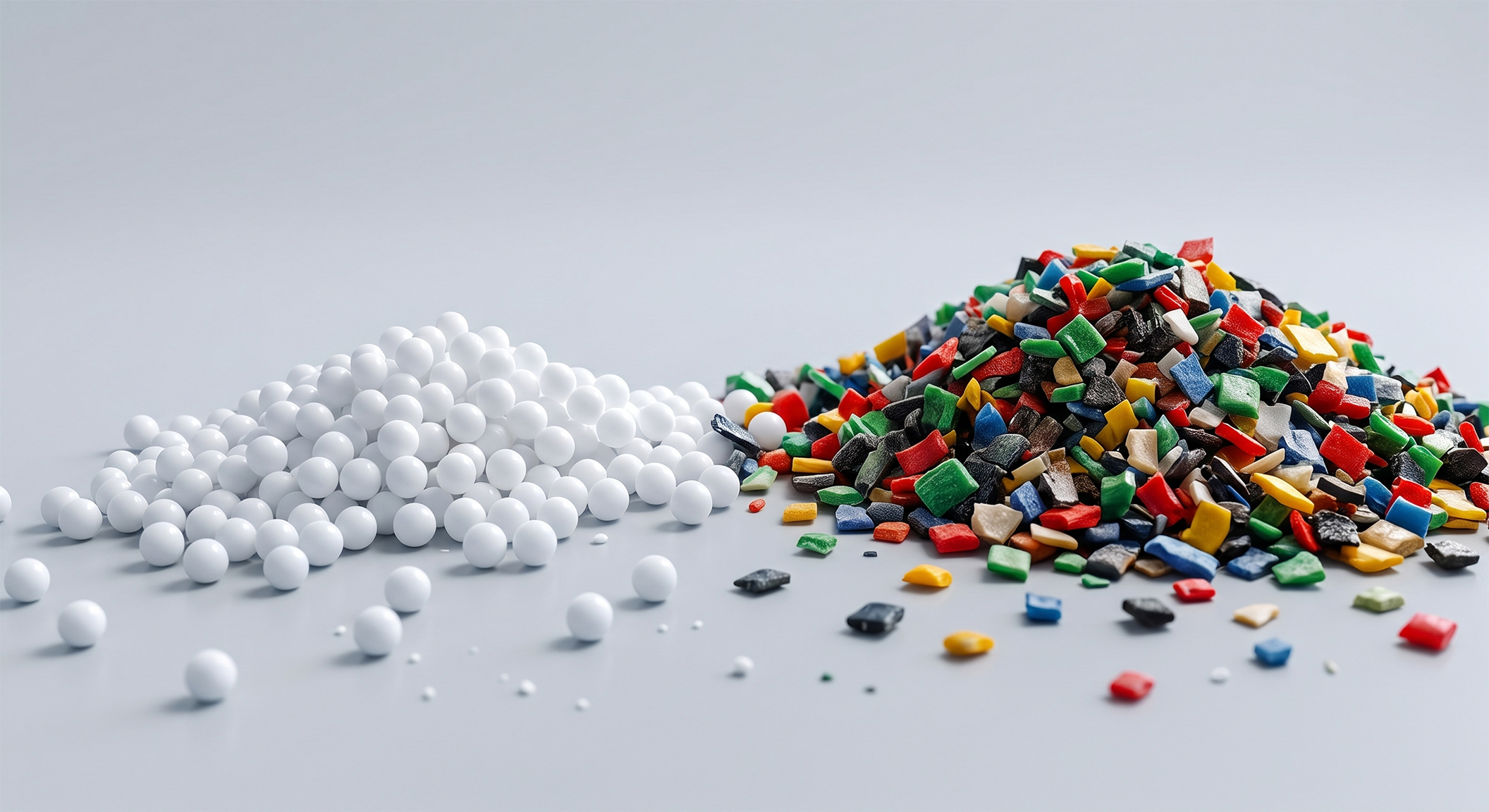
Post-Consumer Resin (PCR) is plastic that consumers have already used, recycled, and then sorted, sterilized, and processed to return it to a reusable resin state.
Virgin plastic is resin created from fossil fuels and crude oil. It has long been the standard because of its purity and performance, but its environmental impact is a growing concern.
As the public demands stricter legislation, companies are reconsidering virgin plastic in favour of PCR, or a blend of the two. This isn’t just a matter of compliance, but of branding and public perception. Over 80% of buyers claim sustainability is important to them—PCR plastic in injection molding helps meet this demand.
What are the performance differences between PCR and virgin plastics?
Virgin plastic, with its consistent molecular structure, does still outperform PCR plastics—but barely. But with industry advances in recycling technology, the gap between PCR and virgin plastic is narrowing.
- Strength: Because PCR plastics undergo multiple rounds of heat treatments, the structure of the plastic may degrade a little, which can result in a slight loss of strength. Still, PCR plastic often shows a tensile strength that is 85% to 95% of that of virgin plastics. This percentage will vary based on the percentage of PCR plastic used, wall thickness, and other factors.
- Clarity: Virgin plastic does have a higher clarity rating than PCR plastics due to the additional processing required to produce PCR plastics and their blended nature. However, the difference is often negligible, so unless your product requires crystal clear transparency, incorporating PCR plastics is still viable.
What is the cost of PCR vs virgin plastics?
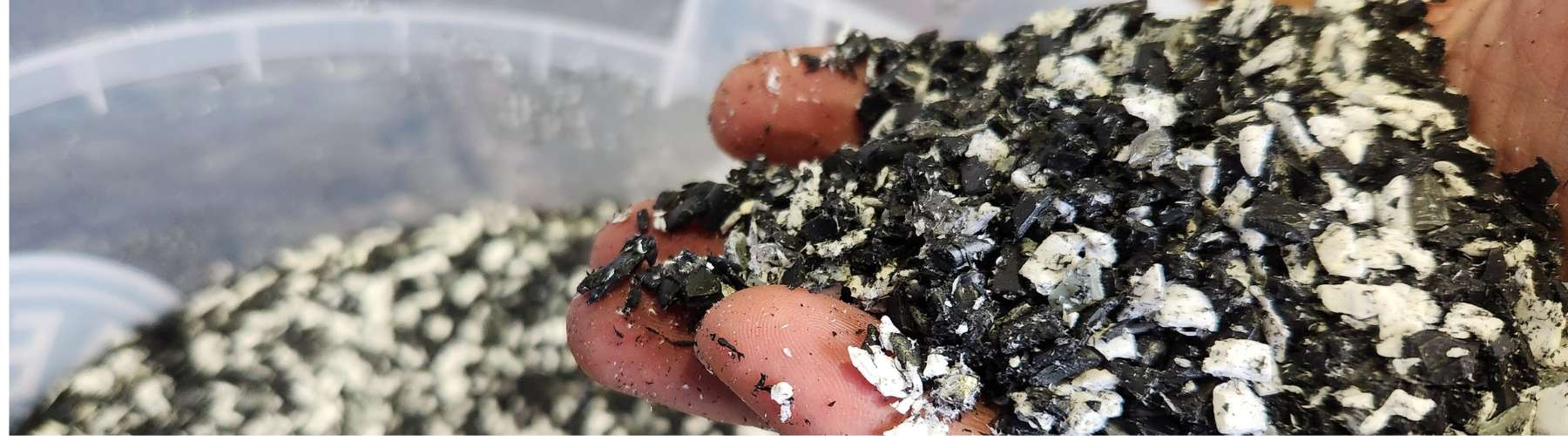
The cost difference depends, in part, on the source of recycled material. Many “blue box” plastics are less expensive than virgin plastic, but the tradeoff is that the resulting colour ranges between grey and black. In other cases, virgin plastics may cost less upfront than PCR plastics from other sources. When working with clients who prioritize sustainability, or need to meet certain environmental mandates, Plascon works to incorporate PCR into products while maintaining the technical and structural elements at a comparable price point to virgin plastics.
Even if PCR plastics do cost you a little more to manufacture, sustainability is becoming increasingly important to consumers, and they say they are willing to pay more for sustainable goods. So while you may pay a small amount more for PCR plastic, the positive impact it may have for your brand could actually generate more income.
Is there really an environmental impact of using PCR vs virgin plastics?
Simply stated, yes: there is an environmental gap between PCR and virgin plastics.
- PCR plastics require less use and reliance upon fossil fuels
- PCR plastics require less energy to produce
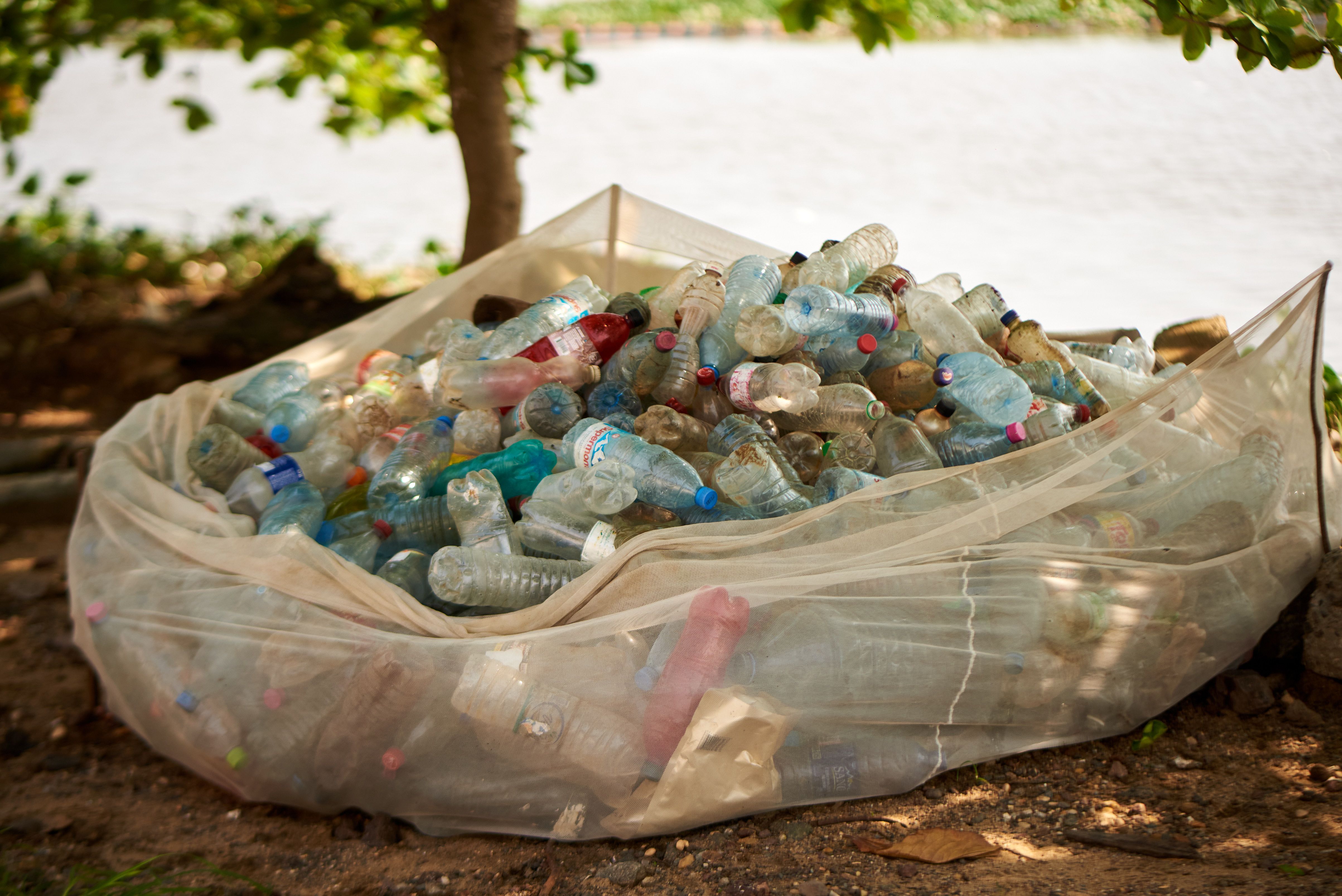
- PCR plastics reduce plastic waste by repurposing materials (whereas virgin plastics actively contribute to increasing plastic waste)
Using PCR plastics in your injection molding project would have a positive environmental impact and can help your company achieve its sustainability mandates.
What is the branding value of using PCR plastics?
Values-based purchasing is becoming an increasingly important part of consumers’ buying decisions. In fact, 82% of consumers say they want the values of the brands they purchase from to match their own. As we mentioned earlier, sustainability values are on the rise.
Together, these trends indicate that brands that lean into sustainability practices stand to improve their perception, and with that, their bottom line. By incorporating PCR plastics into your product, your brand can position itself as more sustainably minded, resonating with consumers seeking to purchase from eco-conscious companies.
How do you decide between PCR or virgin plastics for injection molding?
When deciding whether you should use PCR or virgin plastics, there are a few primary considerations:
- Strength requirements
- Clarity and colour requirements
- Performance requirements
- Sustainability legislation and brand mission
- Cost
As material experts, injection molders, and sustainability leaders, Plascon is uniquely positioned to assist clients in making decisions regarding plastic products and how to best incorporate PCR plastics.
Frequently asked questions
What is the difference between PCR and virgin plastic?
Post-Consumer Resin (PCR) is plastic that has already been used by consumers, then recycled, sorted, sterilized, and processed back into resin for manufacturing. Virgin plastic is made from fossil fuels and crude oil. While virgin plastic has traditionally been the industry standard, advances in recycling technology have made PCR a reliable option for many injection molding applications, particularly for companies with sustainability goals.
Is PCR plastic as strong as virgin plastic?
PCR plastic typically achieves 85% to 95% of the tensile strength of virgin plastic, depending on factors such as the percentage of PCR content, wall thickness, and product design. For products with specific performance requirements, our team evaluates the application to determine whether PCR, virgin resin, or a blend of the two is the best choice.
Is PCR plastic more expensive than virgin plastic?
Virgin plastic generally has a lower upfront material cost. However, the price difference is often small depending on the product and resin used. In some regions, grants or sustainability incentives may help offset the additional cost of PCR materials. Companies should also consider the long-term value that sustainable products can bring to their brand.
Why are more manufacturers using PCR plastic?
Demand for PCR plastic is increasing as sustainability regulations expand and more brands look to reduce their environmental impact. PCR uses less fossil fuel, requires less energy to produce than virgin plastic, and helps divert plastic waste from landfills by giving existing materials a second life. It can also help companies meet regulatory requirements and support their sustainability commitments.
How do I know whether PCR or virgin plastic is right for my product?
The right material depends on your product’s specific requirements. Factors such as strength, clarity, performance, budget, sustainability goals, and regulatory requirements all play a role in the decision. At Plascon, we work with clients to evaluate these factors and recommend the material that best balances performance, cost, and long-term business objectives.
You May Also Like
 EcoRevolution: Plascon Plastics is primed to assist companies in transitioning towards a greener future in California’s injection molding landscape.Read More: EcoRevolution: Plascon Plastics is primed to assist companies in transitioning towards a greener future in California’s injection molding landscape.
- Introducing Sustainable Materials Into Your Injection Molded ProductsRead More: Introducing Sustainable Materials Into Your Injection Molded Products
- Supply-Chain Wake-Up: Pandemic Exposes Overseas Manufacturing Risks in Injection MoldingRead More: Supply-Chain Wake-Up: Pandemic Exposes Overseas Manufacturing Risks in Injection Molding